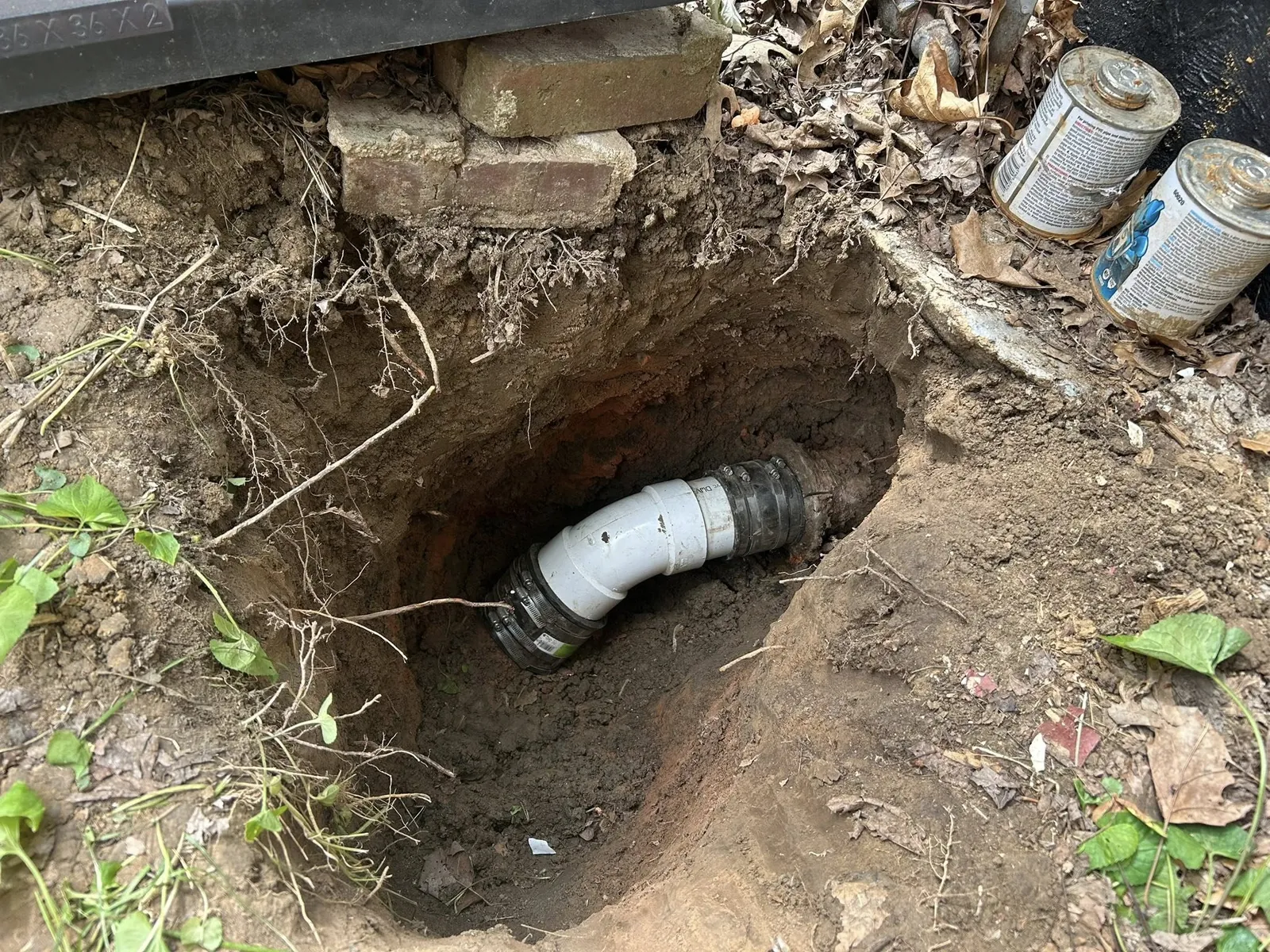
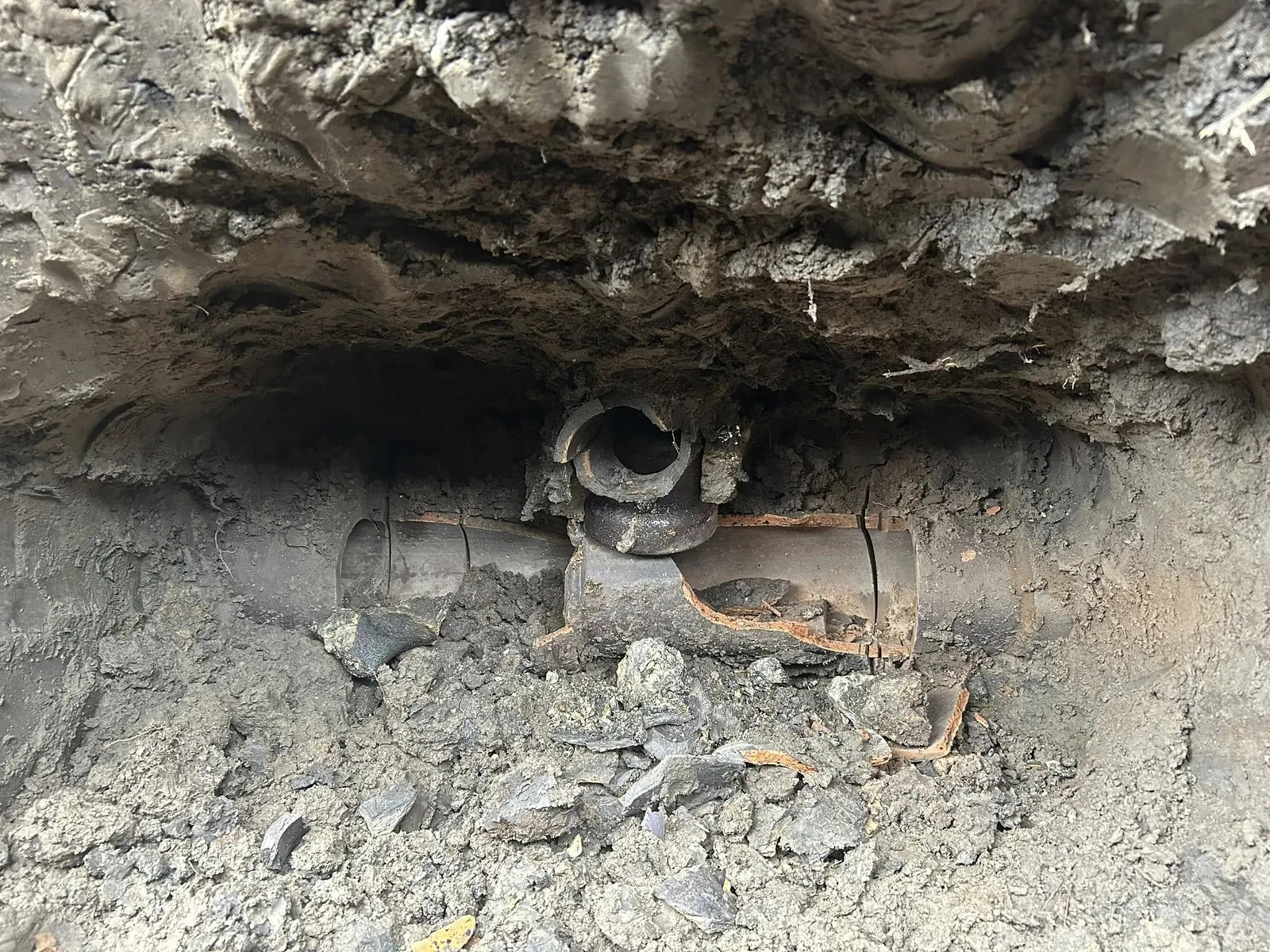
Why old lines fail at the joints
Before the Second World War, clay sewer pipe was usually joined with oakum and cement mortar. The National Clay Pipe Institute describes those joints as rigid and not resistant to earth movement, and lists root penetration among the problems later joint designs were built to fix. The ground shifts a little every winter, a joint opens a crack, roots follow the water in, and the line slows down.
Those are the repairs we make most often to a lateral that is otherwise sound:
- Spot repairs on a cracked or broken section
- Root removal and cleaning with the jetter and cutting heads
- Joint and fitting repairs where pipe has separated or shifted
- Partial replacement of a short run that has collapsed
- Excavation to reach the damage when it cannot be reached from inside
How we decide between repair and replacement
The footage decides. If it shows one bad joint on round, clean pipe, a spot repair is the right call and it costs you far less than a new line. If it shows cracks every few feet, sags that hold water, or Orangeburg pipe going soft, patching one spot only moves the next backup further down the line. You will hear that from us before any digging, with the video in front of you.