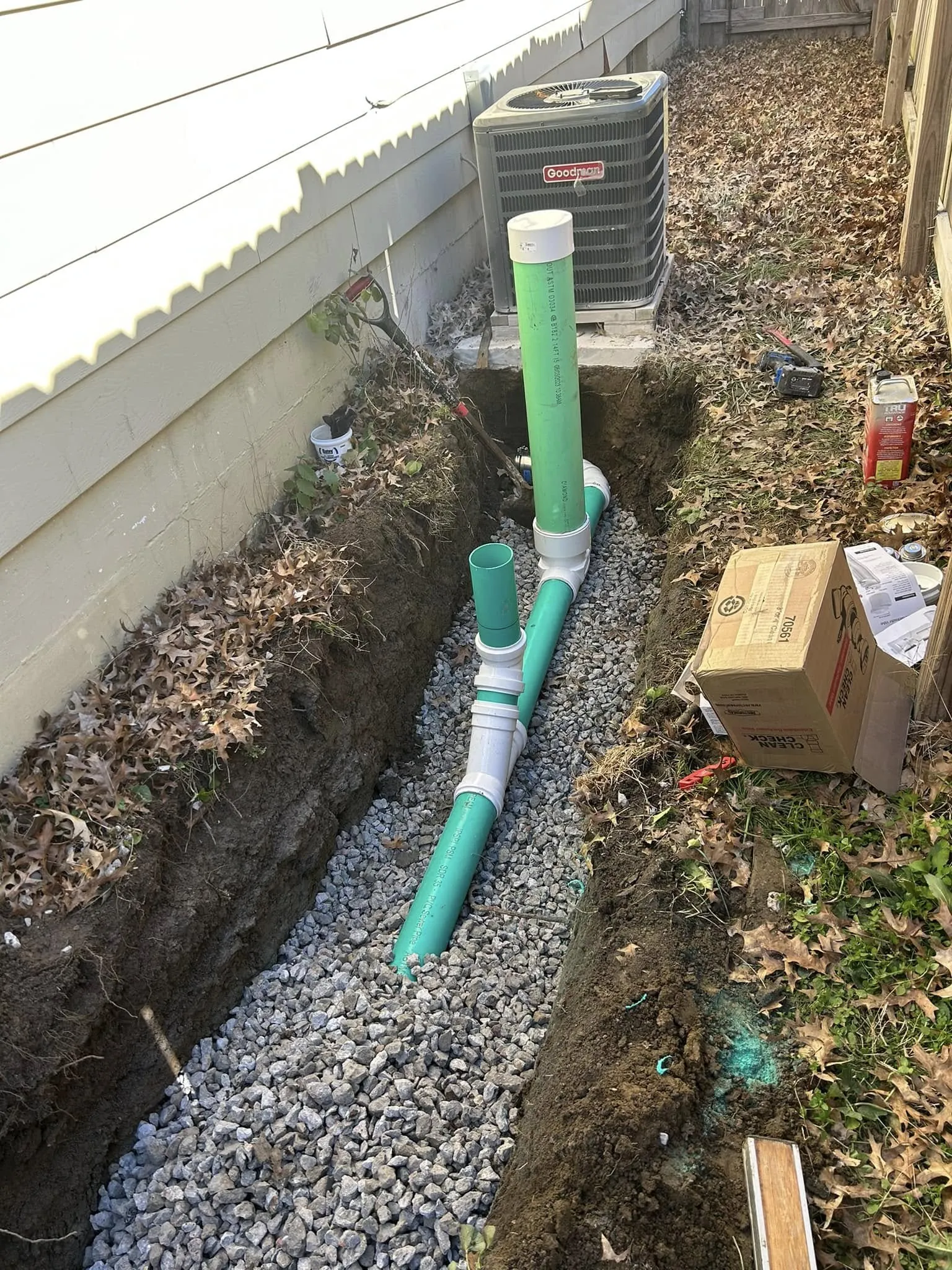
Three ways to fix a pipe without a trench
Pipe lining, or cured-in-place pipe: a flexible liner coated with epoxy is pulled into the old pipe and hardened in place, leaving a new pipe inside the old one. It suits cracks, leaking joints and corrosion.
Pipe bursting: a new pipe is pulled through the old one while the old pipe is broken apart around it. It suits lines too deteriorated to line.
Spot repair: a short trenchless repair over one bad joint or crack, when the rest of the pipe is in good shape. The material, the damage and where the pipe runs decide which one fits.
When we will tell you to dig instead
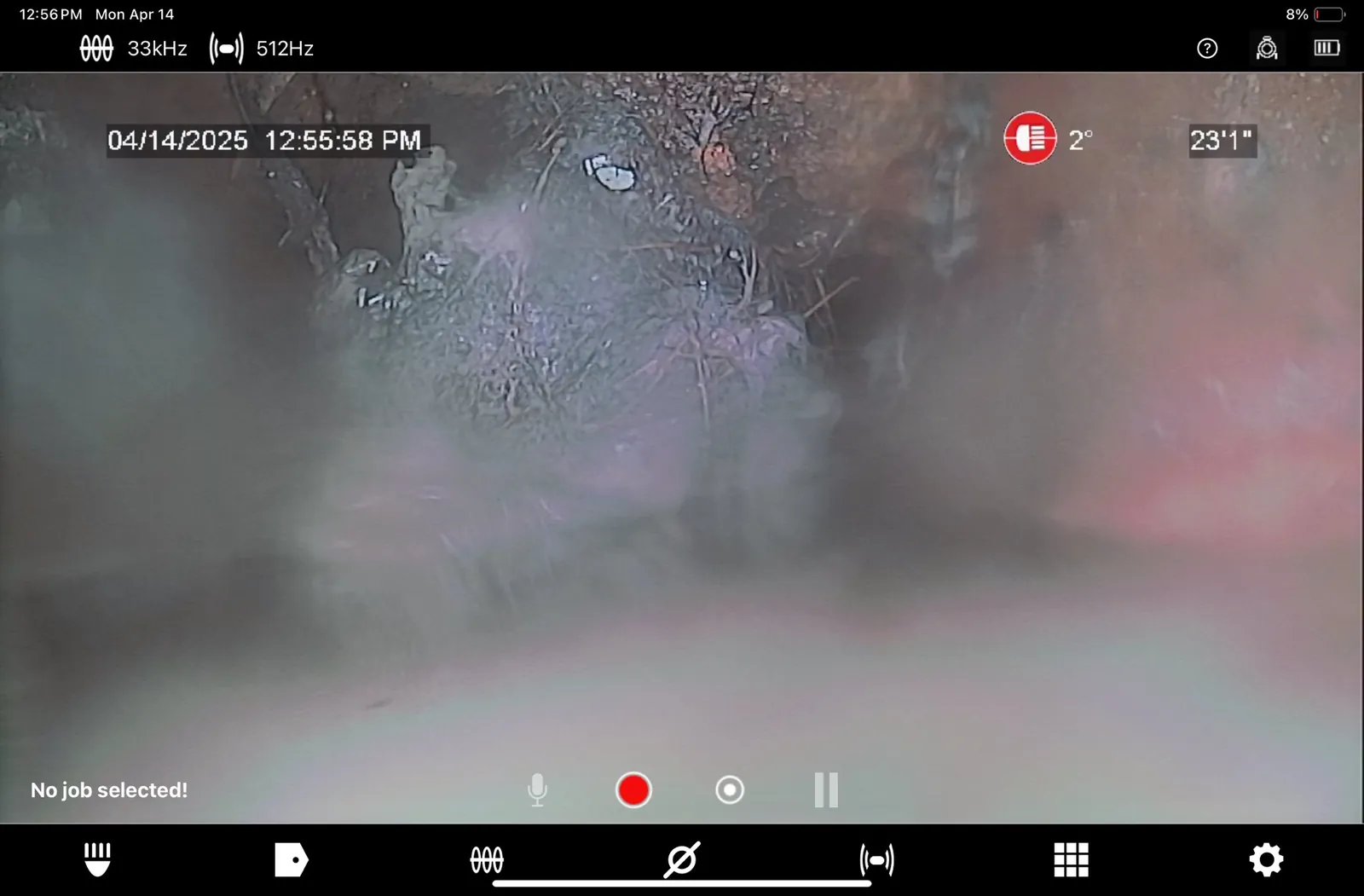
The industry’s own guidance is clear about the limits. NASSCO, the pipeline rehabilitation trade group, says a joint offset that cuts the pipe’s cross-section by 40 percent or more has to be repaired before a liner goes in. A liner also follows the line and grade it is given, so a belly that holds water today still holds water inside the new liner.
A lateral that is collapsed, sagging, or crowded by other utilities is usually a dig. If that is your line, we will say so before you spend money on lining.